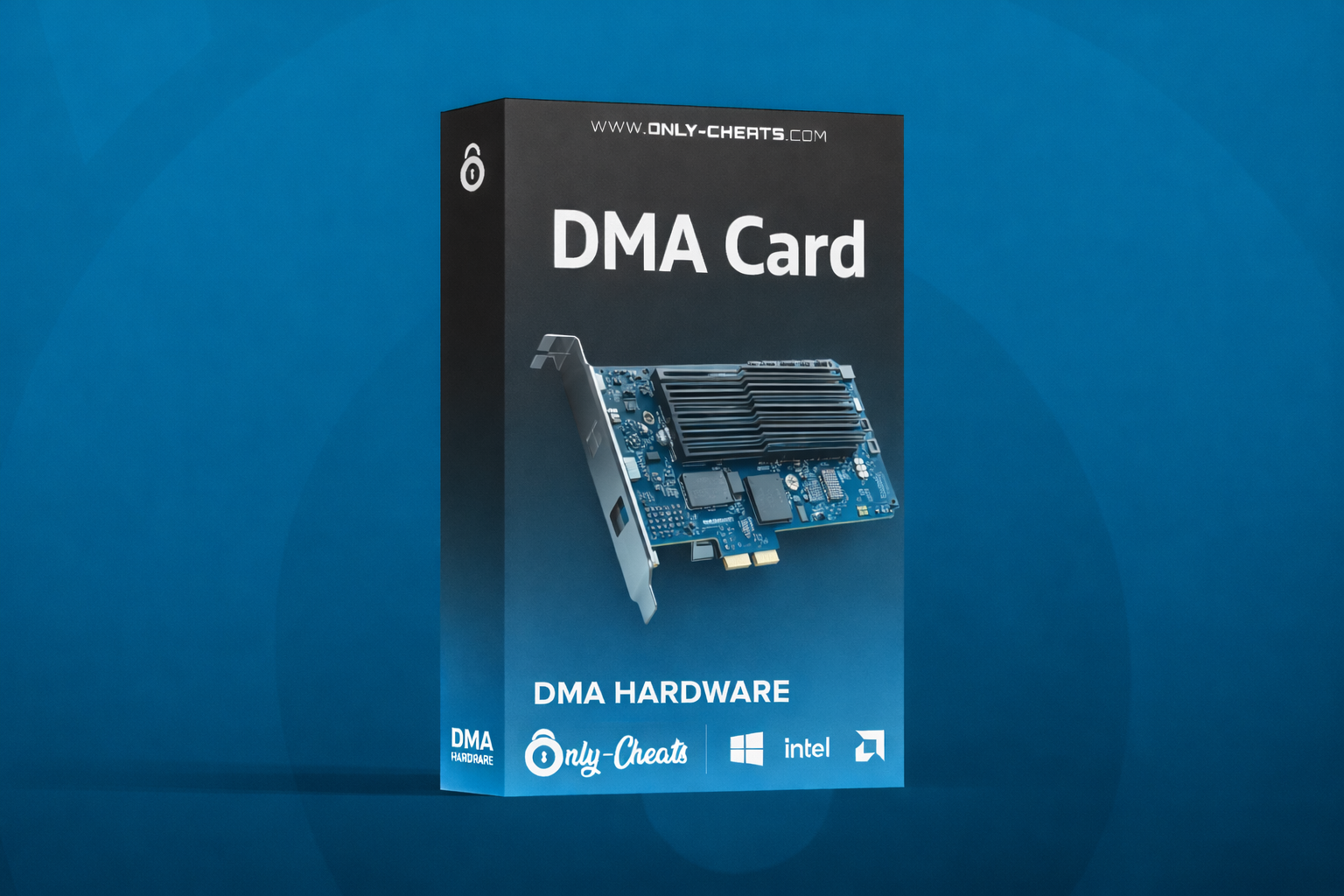
75T DMA Card
- Windows 10/11
- Intel/AMD
75T DMA Card – Balanced Power for Faster, Smoother DMA Performance
The 75T DMA Card is the balanced powerhouse of the lineup, built for users who want stronger multitasking performance without jumping all the way to the highest-end tier. Powered by the Artix-7 75T FPGA, it delivers reliable high-performance data processing for smoother day-to-day DMA workflows.
With 76,800 logic cells, ~90MB/s+ throughput, sub-millisecond latency, and a PCIe Gen2 x4 interface, the 75T is a strong middle-ground option for users who want more speed, more headroom, and dependable real-time memory performance.
Performance
- Optimized data paths for high-speed DMA operation
- ~90MB/s+ throughput for faster real-time memory tasks
- Sub-millisecond latency for smoother responsiveness
- Strong multitasking performance for heavier workflows
- A balanced upgrade between entry-level and max-tier cards
Compatibility
- Compatible with Intel and AMD platforms
- Works in PCIe x1, x4, x8, and x16 slots
- Universal slot support for flexible setups
- PCIe Gen2 x4 interface for high-throughput operation
- Strong fit for standard and performance-focused dual-PC builds
Required Hardware
- 2nd PC required for DMA operation
- Main PC with PCIe slot support
- x4, x8, or x16 slot compatible
- Host PC runs DMA tools and related software
- Target PC runs the primary environment
In the Box
- 75T DMA PCIe Board
- USB 3.1 to USB-C Cable
Compatible Accessories
The following accessories are compatible with the 75T DMA Card and are commonly used to expand functionality depending on your setup. These are optional accessories and are not included unless stated otherwise.
Why Choose the 75T?
The 75T is ideal for users who want a more powerful, more flexible DMA setup without stepping all the way up to the top-end option. It offers a strong mix of speed, logic capacity, real-time responsiveness, and broad platform compatibility, making it one of the most balanced choices in the lineup.
Who Is the 75T Best For?
The 75T is best for users who want more speed and stronger multitasking headroom than an entry-level card, while still keeping a balanced price-to-performance ratio. It fits buyers who want smoother operation, stronger overall responsiveness, and a solid mid-to-high tier DMA foundation.
35T vs 75T vs 100T
Swipe sideways on mobile to view the full comparison table.
| Feature | 35T | 75T | 100T |
|---|---|---|---|
| Best For | Beginners / Budget Builds | Balanced Performance | Maximum Performance |
| FPGA | Artix-7 35T | Artix-7 75T | Artix-7 100T |
| Logic Cells | 33,280 | 76,800 | 101,440 |
| Read / Write Throughput | ~80MB/s+ | ~90MB/s+ | ~100MB/s+ |
| Latency | Low latency | Sub-millisecond | Sub-millisecond |
| PCIe Interface | Gen2 x4 | Gen2 x4 | Gen2 x4 |
| Theoretical Bandwidth | Standard x4 bandwidth | Up to 2GB/s | Up to 2GB/s |
| Compatibility | Intel & AMD / x1 x4 x8 x16 | Intel & AMD / x1 x4 x8 x16 | Intel & AMD / x1 x4 x8 x16 |
| Recommended Buyer | New DMA users | Users wanting more speed and better multitasking | Users wanting the most power and least bottlenecks |
Is the 75T a good middle-ground option?
Yes — the 75T is positioned as the balanced powerhouse of the lineup. It offers stronger multitasking performance and more headroom than the 35T, without jumping all the way to the highest-end tier.
What is the difference between the 35T, 75T, and 100T?
The 35T is the entry-level option, the 75T is the balanced performance tier with 76,800 logic cells and ~90MB/s+ throughput, and the 100T is the highest-end model with the most logic capacity and overall performance headroom.
What is Emulated Firmware?
Emulated firmware is described as enhanced 1:1 custom firmware with full hardware emulation and driver backing. The 75T page also notes DNA ID locked and driver-backed implementation for this premium firmware option.
Do I need a second PC?
Yes — the hardware requirements section states that a second PC is required to run the related software, while the main PC needs a compatible PCIe slot for the DMA card.

.png.127468025dfaf769fe4efc05a7f2459e.png)